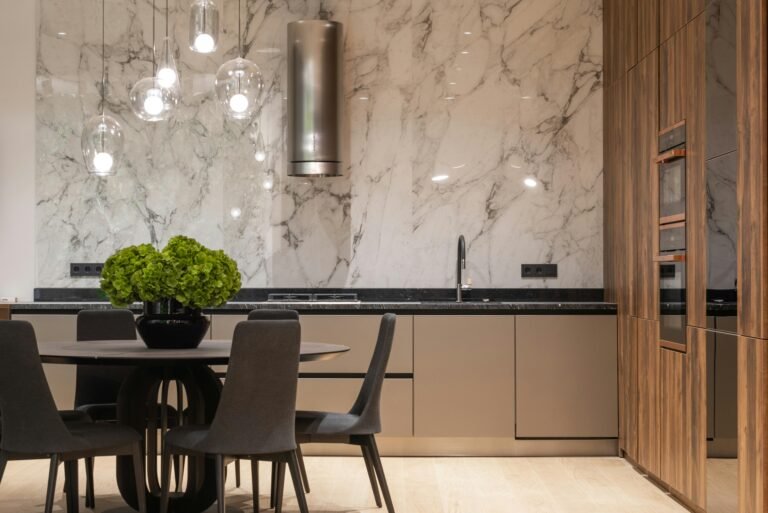

How One Blog Post Can Pay You for Years (Using My Hero Lighting Strategy as an Example)
Most people write blog posts.
I build income assets.
There’s a big difference.
When I created my “10 Best High-End Hero Lighting Fixtures” post, I wasn’t just sharing beautiful chandeliers and statement lighting. I was building a long-term monetized content asset designed to work for me for years.
Let me show you exactly how one strategic blog post can turn into ongoing traffic, affiliate income, and brand authority.
What Most New Bloggers Get Wrong

A lot of beginners think blogging is about:
- Posting consistently
- Writing whatever feels inspiring
- Hoping something goes viral
But blogging is not social media.
It’s search-based.
It’s strategic.
And when done correctly, it compounds.
Instead of asking,
“What should I post today?”
You should be asking:
“What can I create today that will still make me money three years from now?”
That’s where hero content comes in.
Step 1: Choose a Topic With Buying Intent
My Hero Lighting post wasn’t random.
It targeted people actively searching for:
- High-end chandeliers
- Statement foyer lighting
- Luxury lighting fixtures
- Designer ceiling lights
These are not casual browsers. These are buyers.
When someone searches “best high-end chandelier for foyer,” they are already in decision mode.
That’s strategic traffic.
(If you haven’t read the full lighting post yet, you can view it here: Luxury Lighting Buyer’s Guide
Step 2: Structure the Post for Conversion
Inside that single post, I included:
- Clear product breakdowns
- High-quality imagery
- Detailed descriptions
- Affiliate links
- Strategic headers for SEO
- Internal links to related lighting content
The goal wasn’t just to inspire.
It was to convert.
Every product recommendation becomes an opportunity for affiliate revenue — not just today, but every time someone lands on that page in the future.
Comparison Snapshot: Why Hero Lights Convert So Well
| Feature | Standard Decor | Hero Lighting Fixtures |
| Visual Impact | Low | High |
| Search Demand | Moderate | High |
| Buyer Intent | Browsing | Ready to buy |
| Commission Potential | Low | Higher |
| Longevity | Trend-based | Timeless |
Hero lights perform better because they solve a design problem and fulfill a purchase decision at the same time.
Step 3: Repurpose the Content Into a Traffic Machine
That one blog post turned into:
- An Instagram carousel featuring all 10 fixtures
- Individual Pinterest pins for each light
- A dedicated Pinterest board
- Story content
- Internal linking for future lighting posts
- Email list opportunities
- Ongoing affiliate exposure
That’s not one piece of content.
That’s infrastructure.
Social media posts disappear in 24 hours.
Blog posts, when optimized correctly, can live for years.
Step 4: Let SEO and Pinterest Work for You
Pinterest functions like a search engine.
Google functions like a search engine.
Both can drive consistent traffic long after you hit publish.
When your content is optimized with:
- Strategic keywords
- Clear headings
- Intent-based product recommendations
- Proper internal linking
You’re not chasing views.
You’re building a system.
And systems scale.
How to Choose the Right Statement Light (Mini Buying Guide)
If you’re browsing lighting options, here’s what actually matters when selecting a hero fixture:
Scale — The fixture should match ceiling height and room size. Too small disappears. Too large overwhelms.
Placement — Entryways, dining rooms, and staircases benefit most from statement lighting.
Finish — Match hardware tones in the space for a cohesive look.
Style Longevity — Choose designs that feel timeless, not trendy, so your investment lasts.
Brightness + Function — Always confirm lumen output and bulb type so beauty doesn’t sacrifice usability.
Why Blogging Is an Asset — Not a Hobby
Here’s the shift most people never make:
Social media is rented space.
Your blog is owned space.
When you create intentional, monetized content:
- It builds domain authority
- It creates passive affiliate income opportunities
- It increases brand credibility
- It feeds your other platforms
- It compounds over time
One strong post can outperform 50 random ones.
Frequently Asked Questions
How long does it take for a blog post to make money?
Most SEO-based posts take 3–6 months to gain traction, but once they rank, they can generate income for years.
Do you need a lot of traffic to earn affiliate income?
No. You need targeted traffic. A small number of buyers is more valuable than thousands of casual readers.
What makes a blog post profitable?
Buyer-intent keywords, strategic product placement, SEO structure, and long-term search visibility.
Can beginners use this strategy?
Yes — this method actually works best when used from the beginning because it prevents wasted effort.
Want to Build Posts Like This?
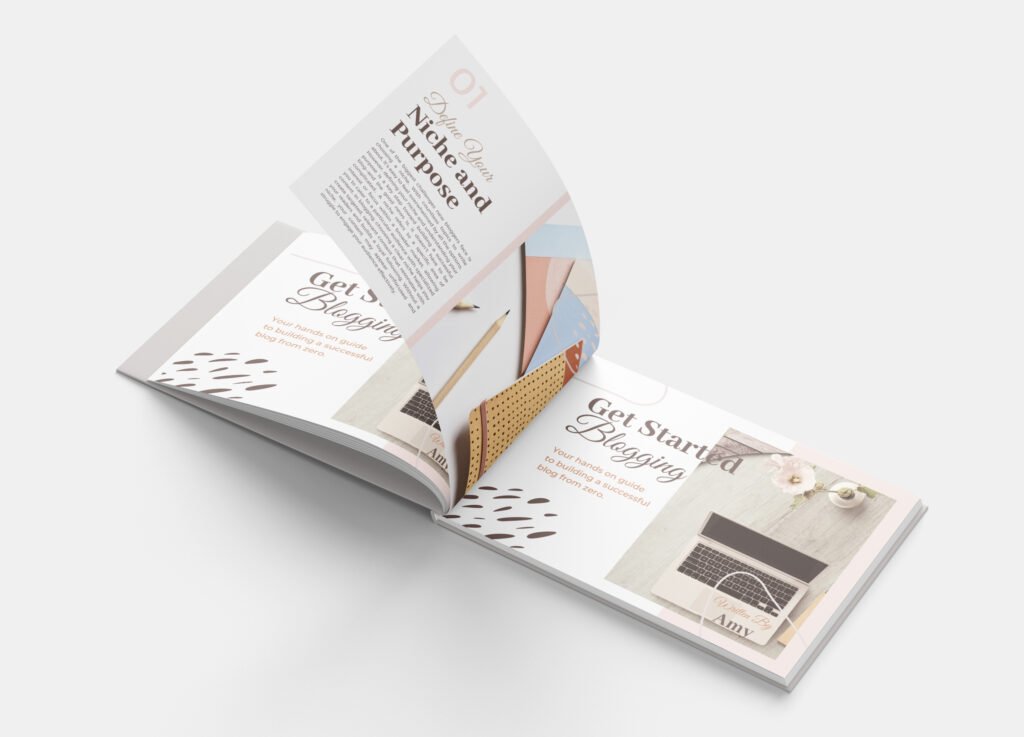
This strategy wasn’t accidental.
Inside my ebook, Blogging for Beginners, I break down:
- How to choose profitable blog topics
- How to structure posts for SEO
- How to add affiliate links correctly
- How to repurpose blog content across platforms
- How to turn your blog into a monetized brand
If you’ve ever thought about starting a blog — or you already have one but it’s not making money — this is the exact framework I use.
You can grab the ebook here:
Blogging for Begginers Ebook
Because blogging isn’t about writing more.
It’s about building smarter.
Affiliate Disclosure
This post may contain affiliate links. That means I may earn a small commission if you purchase through my links — at no extra cost to you. I only recommend products I genuinely love, use, or would personally choose for my own spaces.
Final Thoughts
My Hero Lighting post may continue generating traffic and affiliate income for years.
Not because it went viral.
But because it was built strategically.
If you want long-term digital income, stop thinking like a content creator.
Start thinking like an asset builder.